
316 Stainless Steel
As a trusted 316 stainless steel manufacturer and supplier, Huaxiao-Alloy combines decades of metallurgical expertise with cutting-edge production capabilities to deliver high-performance stainless steel solutions for the most demanding environments. This guide provides an in-depth analysis of 316 stainless steel, including its applications, supply forms, chemical composition, mechanical and physical properties, and answers to key industry FAQs.
Our Supply Forms & Dimensions of 316 stainless steel
As a premier 316 stainless steel manufacturer, Huaxiao-Alloy offers the alloy in versatile forms tailored to industrial needs:
| Form | Dimensions | Standards |
|---|---|---|
| Sheets/Plates | Thickness: 0.5mm–100mm; Width: 600–2500mm | ASTM A240, EN 1.4401 |
| Coils | Thickness: 0.3–6mm; Width: 10–1500mm | JIS SUS316, GB/T 4237 |
| Bars/Rods | Diameter: 5mm–500mm; Length: 1–12m | ASTM A276, ASTM A479 |
| Tubes/Pipes | OD: 6–1200mm; Wall Thickness: 0.5–50mm | ASTM A312, ASTM A269 |
| Wire | Diameter: 0.1–10mm | ASTM A580, DIN 17440 |
Custom tolerances (±5%), finishes (e.g., 2B, BA, No.8 mirror), and packaging solutions available.
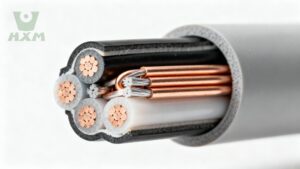
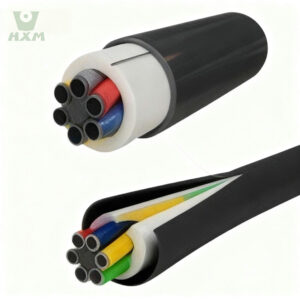
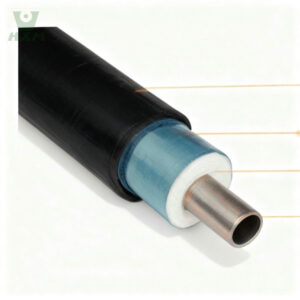
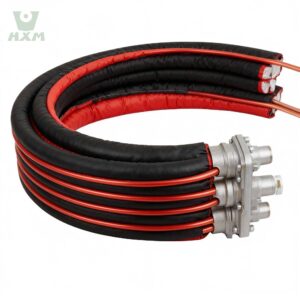

What is 316 Stainless Steel?
316 stainless steel (UNS S31600) is a molybdenum-enhanced austenitic stainless steel renowned for its exceptional corrosion resistance, particularly in chloride and acidic environments. With 16–18% chromium, 10–14% nickel, and 2–3% molybdenum, it outperforms 304 stainless steel in harsh industrial and marine settings. Huaxiao-Alloy, as a leading 316 stainless steel supplier, ensures compliance with global standards such as ASTM A240, EN 1.4401, and JIS SUS316.
Applications of 316 Stainless Steel
Key Industrial & Commercial Uses
- Marine Engineering: Offshore platforms, ship components, and desalination plants due to superior chloride resistance.
- Chemical Processing: Reactors, pipelines, and valves exposed to sulfuric acid, chlorides, and bromides.
- Pharmaceuticals: Sterile tubing, bioreactors, and clean-in-place (CIP) systems.
- Medical Devices: Surgical instruments, orthopedic implants (ASTM F138/F139 compliant).
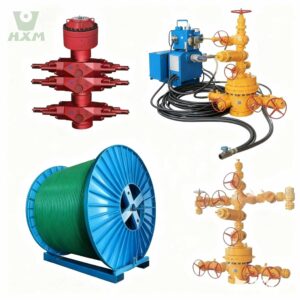
- Oil & Gas: Heat exchangers, flare stacks, and subsea equipment.
- Food Processing: Equipment for acidic food products (e.g., vinegar, citrus juices).
Why Partner with Huaxiao-Alloy?
- Certifications: ISO 9001:2015, ASME, and PED 2014/68/EU compliance.
- Custom Fabrication: Precision cutting, welding, polishing, and CNC machining.
- Global Logistics: Efficient delivery to Europe, North America, and Asia-Pacific.
Chemical Composition of 316 stainless steel
The enhanced durability of 316 stainless steel stems from its optimized chemistry:
| Element | Content (%) | Role |
|---|---|---|
| Chromium (Cr) | 16.0–18.0 | Forms a passive oxide layer for corrosion resistance. |
| Nickel (Ni) | 10.0–14.0 | Stabilizes austenitic structure and ductility. |
| Molybdenum (Mo) | 2.0–3.0 | Enhances pitting and crevice corrosion resistance. |
| Carbon (C) | ≤0.08 | Higher than 316L for increased strength. |
| Manganese (Mn) | ≤2.0 | Improves hot workability. |
| Silicon (Si) | ≤1.0 | Deoxidizer during smelting. |
| Phosphorus (P) | ≤0.045 | Reduces brittleness. |
| Sulfur (S) | ≤0.03 | Enhances machinability. |
| Iron (Fe) | Balance | Base metal. |
Complies with ASTM A240, EN 1.4401, and JIS SUS316 specifications.
Mechanical Properties of 316 stainless steel
316 stainless steel balances strength, ductility, and corrosion resistance:
| Property | Value |
|---|---|
| Tensile Strength | 515–690 MPa |
| Yield Strength (0.2% offset) | 205 MPa (min) |
| Elongation (50mm gauge) | 40% (min) |
| Hardness (Brinell) | 217 HB (max) |
| Modulus of Elasticity | 193 GPa |
Note: Annealing at 1010–1120°C followed by rapid cooling optimizes performance.
Physical Properties of 316 stainless steel
| Property | Value |
|---|---|
| Density | 8,000 kg/m³ |
| Melting Point | 1375–1400°C |
| Thermal Conductivity | 15.0 W/m·K (at 100°C) |
| Electrical Resistivity | 0.74 μΩ·m |
| Magnetic Permeability | <1.02 (Annealed, non-magnetic) |
316 vs 304 Stainless Steel: Key Differences
| Parameter | 316 | 304 |
|---|---|---|
| Molybdenum Content | 2–3% | None |
| Corrosion Resistance | Superior in chlorides, acids, and high temperatures | Moderate (general-purpose) |
| Cost | 30–50% higher | Lower |
| High-Temperature Performance | Up to 870°C intermittently | Up to 815°C |
| Applications | Marine, chemical, medical implants | Food, architecture, automotive |
The addition of 2–3% molybdenum in 316 enhances resistance to pitting and crevice corrosion, especially in chloride-rich environments like seawater.
Yes, but post-weld annealing is recommended for heavy sections to restore corrosion resistance.
Intermittent use up to 870°C; continuous use should not exceed 450°C to avoid carbide precipitation.
Yes, we supply ASTM F138/F139-certified 316L for surgical tools and implants.
Options include 2B (cold-rolled), BA (bright annealed), No.8 mirror, and electro-polished finishes.
Yes, we provide Mill Test Reports (MTRs), ISO 9001, and material traceability documentation.
Recent Blog
If you found this product good, feel free to share it on your other social media platforms.