
Introduction
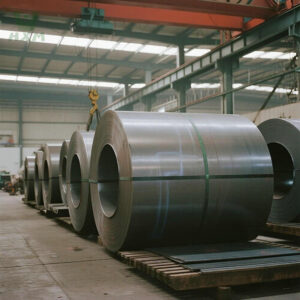
Carbon steel is one of the most widely used metals in construction, manufacturing, automotive, and energy industries. It is defined as a type of steel where carbon is the primary alloying element, usually ranging from 0.02% to 2.0% carbon content by weight.
Depending on the percentage of carbon, carbon steel is divided into four main categories:
Low Carbon Steel (Mild Steel)
Medium Carbon Steel
High Carbon Steel
Ultra-High Carbon Steel
At Huaxiao-Alloy, we supply all grades of carbon steel, customized to meet international standards like ASTM, EN, JIS, and GB, ensuring quality and performance across industries.
1. Low Carbon Steel (Mild Steel)
Carbon Content: 0.02% – 0.30%
Properties:
Soft, ductile, and easy to form
Good weldability and machinability
Lower tensile strength compared to other types
Applications:
Structural beams and panels
Automotive body panels
Pipe and tubing
Household appliances
Common Grades: ASTM A36, EN S235, JIS SS400
👉 Low carbon steel is also known as mild steel and is the most widely used type of carbon steel.

Huaxiao-Alloy is a trusted global supplier of high carbon steel in multiple grades and forms. Explore its physical & mechanical properties, benefits, applications, and standards.
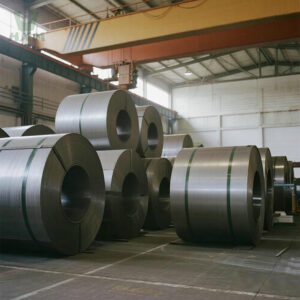
Huaxiao-Alloy supplies premium medium carbon steel in multiple grades, forms, and standards. Learn its mechanical properties, benefits, applications, and how it compares to other steels.
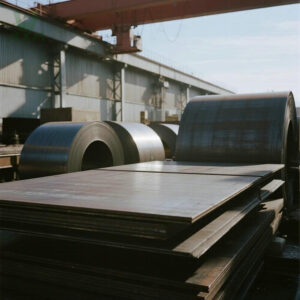
Huaxiao-Alloy supplies premium low carbon steel in multiple grades, forms, and standards. Discover its properties, advantages, applications, and why it’s a preferred choice for automotive, construction, and manufacturing.
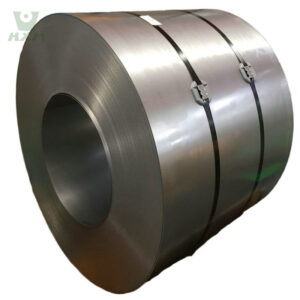
Interstitial Free Steel (IF Steel)
Huaxiao-Alloy is a trusted supplier of high-quality Interstitial Free Steel (IF) in various grades, forms, and standards. Discover its properties, advantages, applications, and why IF steel is a preferred choice in automotive, appliance, and deep-drawing industries.

2. Medium Carbon Steel
Carbon Content: 0.30% – 0.60%
Properties:
Stronger and harder than mild steel
Moderate ductility and toughness
Can be heat treated (quenching and tempering) for improved strength
Applications:
Railway tracks
Automotive components (axles, crankshafts)
Machinery parts
Pressure vessels
Common Grades: ASTM A516 Gr.60/70, EN C45, JIS S45C
👉 Medium carbon steel offers a balance of strength and toughness, making it ideal for engineering applications.
3. High Carbon Steel
Carbon Content: 0.60% – 1.00%
Properties:
Very hard and strong
Lower ductility and weldability
High wear resistance
Applications:
Cutting tools (knives, saw blades, drill bits)
Springs
High-strength wires
Dies and punches
Common Grades: AISI 1095, EN C75, JIS SK5
👉 High carbon steels are best for hardness and wear resistance, but less suitable for welding and forming.
4. Ultra-High Carbon Steel
Carbon Content: 1.00% – 2.00%
Properties:
Extremely hard and brittle
Can be heat-treated to very high hardness
Limited ductility
Applications:
Special-purpose knives and blades
Dies, punches, and cutting tools
Military and aerospace applications
Common Grades: Tool steels (W1, O1, D2), specialty steels
👉 Ultra-high carbon steel is used where extreme hardness is required, often in cutting, drilling, and impact tools.
5. Comparison Table: 4 Types of Carbon Steel
| Type | Carbon Content | Properties | Applications | Common Grades |
|---|---|---|---|---|
| Low Carbon (Mild Steel) | 0.02–0.30% | Ductile, weldable, soft | Structural beams, panels, appliances | ASTM A36, SS400 |
| Medium Carbon | 0.30–0.60% | Stronger, heat-treatable | Machinery, axles, rails | C45, S45C |
| High Carbon | 0.60–1.00% | Hard, wear resistant | Tools, springs, wires | AISI 1095, SK5 |
| Ultra-High Carbon | 1.00–2.00% | Extremely hard, brittle | Dies, punches, specialty blades | Tool steels (O1, D2) |
6. Properties of Carbon Steel
Strength: Increases with higher carbon content
Hardness: High carbon = higher hardness
Ductility: Decreases with higher carbon content
Weldability: Low in high carbon steels
Cost: Mild steel is cheapest, ultra-high carbon steel is most expensive
7. Applications of Carbon Steel
Low Carbon Steel: Construction, automotive panels, pipelines
Medium Carbon Steel: Machinery, automotive, engineering components
High Carbon Steel: Cutting tools, springs, industrial knives
Ultra-High Carbon Steel: Aerospace tools, precision blades, military applications
8. Why Choose Huaxiao-Alloy for Carbon Steel?
Comprehensive Supply: Low, medium, high, and ultra-high carbon steels
Multiple Forms: Sheet, coil, plate, bar, wire, tube
Processing Services: Cutting, machining, heat treatment, surface coating
Global Standards: ASTM, EN, JIS, GB certifications
Trusted Partner: Reliable export to Europe, U.S., and Asia
📧 Email: [email protected]
📱 WhatsApp: +1 (579) 300-2733
Carbon steel is steel where carbon is the primary alloying element, with carbon content between 0.02% and 2.0%.
Ultra-high carbon steel is the hardest and strongest, but also the most brittle.
Mild steel is another term for low carbon steel, containing less than 0.30% carbon.
Yes. All types of carbon steel are prone to rust if not protected, unlike stainless steel.
Carbon steel relies mainly on carbon for properties, while alloy steel includes other elements (Cr, Ni, Mo) to enhance performance.
Recent Blog
If you found this article good, feel free to share it on your other social media platforms.