
Does Carbon Help Prevent Rust?
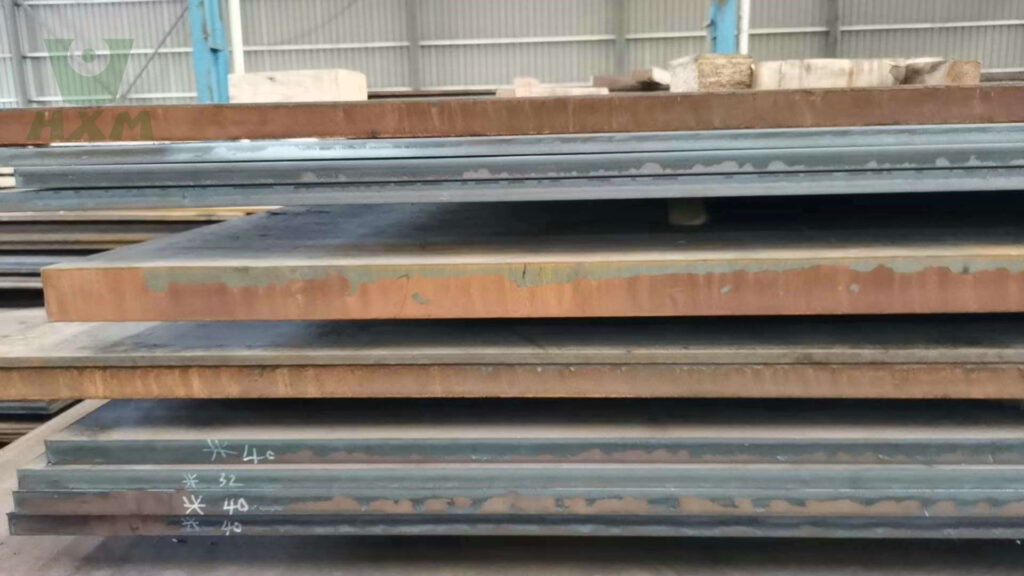
Carbon does not directly prevent rust. However, its role in steel and other alloys is essential for determining the material’s overall mechanical properties.
When was inconel alloy invented?
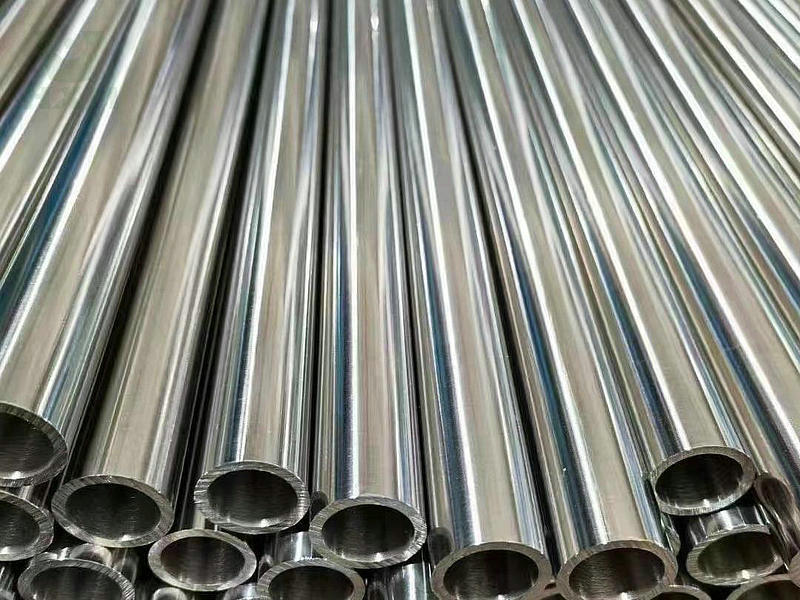
The invention of Inconel alloys dates back to the 1930s, when the International Nickel Company (Inco) sought to develop a material capable of withstanding extreme temperatures and corrosive environments. Traditional steel materials performed poorly under these conditions, prompting the need for a new, more resilient alloy to meet the demands of aviation, chemical processing, and energy production industries.
Factors Affecting the Elongation of Alloys
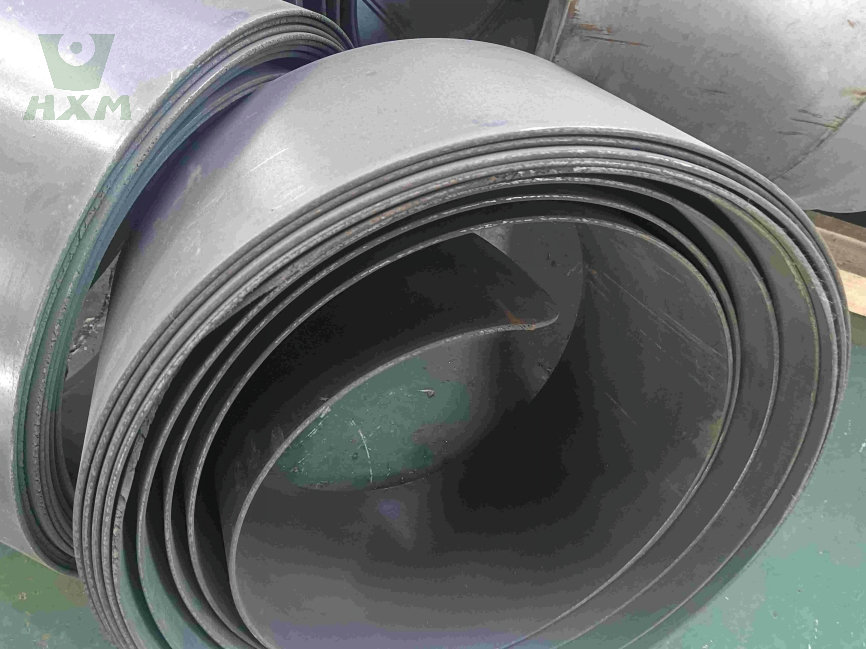
Elongation is a critical mechanical property of alloys, representing the material’s ability to undergo plastic deformation before failure. It is typically expressed as a percentage of the original gauge length of a test specimen after fracture in a tensile test. Elongation is crucial for applications requiring flexibility, toughness, and resistance to cracking. Various factors influence the elongation of alloys, including their chemical composition, microstructure, processing methods, and operating conditions.
What is electroslag remelt?
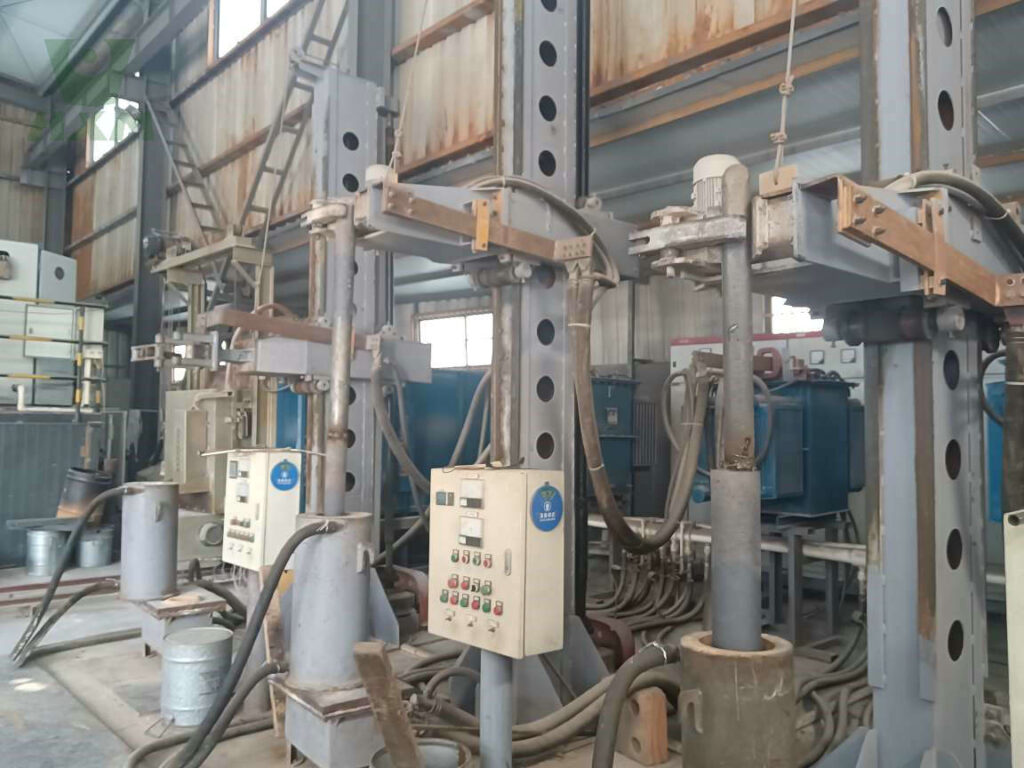
Electroslag Remelting (ESR) is an advanced metallurgical process used to refine the quality of high-performance alloys and steels.
Incoloy 925
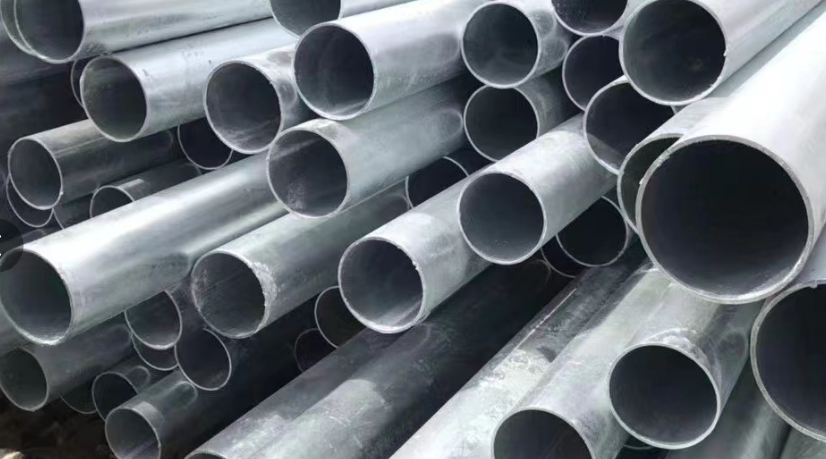
Incoloy 925 (N08925) alloy is a nickel base alloy containing molybdenum and copper with excellent hot and cold work properties.
Hastelloy c-276
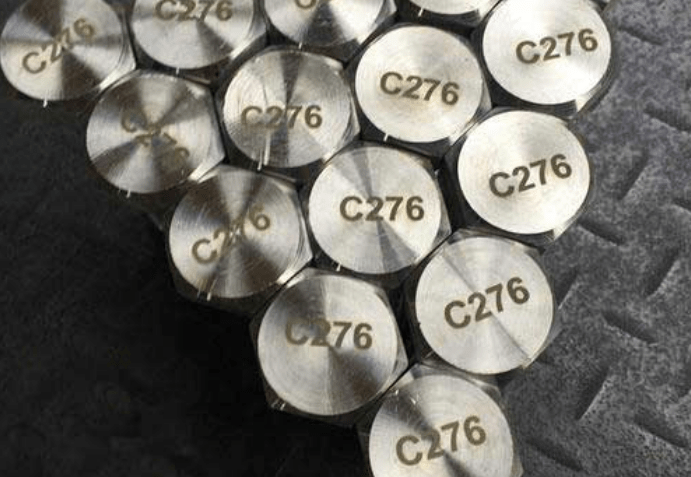
Hastelloy C-276 belongs to nickel-molybdenum-chromium-iron-tungsten nickel-based alloy, which is one of the most corrosion-resistant modern metal materials.
What is the difference between hastelloy C276 and 316l?
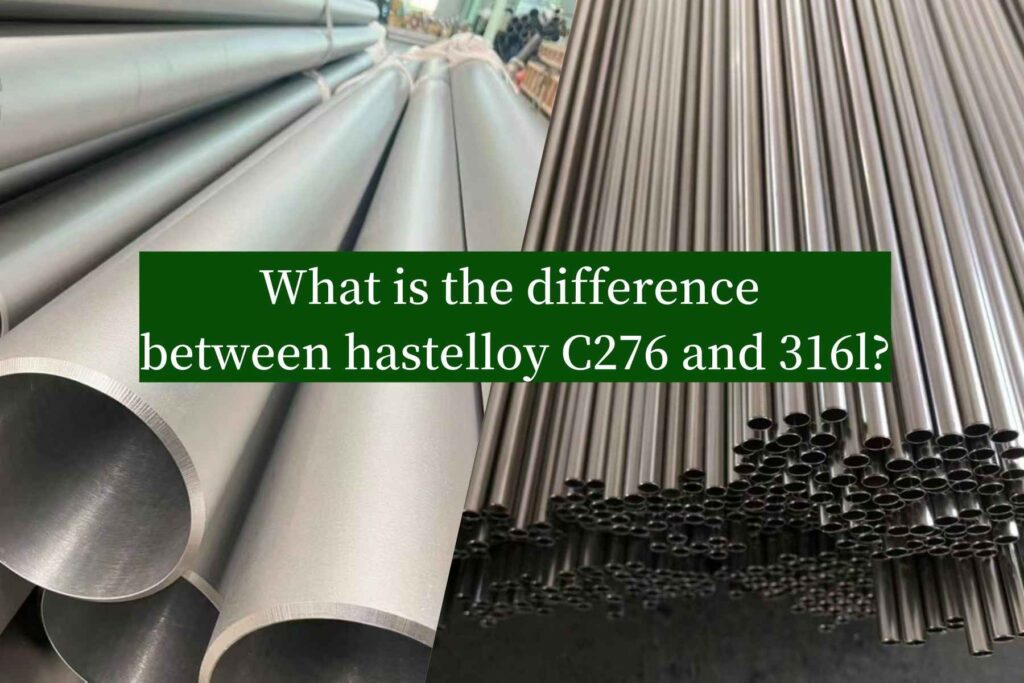
The main difference between Hastelloy C276 and 316L stainless steel lies in their chemical composition, corrosion resistance, and applications.
Influence of Metal Elements on Nickel-Based Alloys
Nickel-based alloys are widely recognized for their excellent mechanical strength, resistance to corrosion and oxidation, and ability to operate at high temperatures.
Difference Between Hastelloy Alloy and Stainless Steel
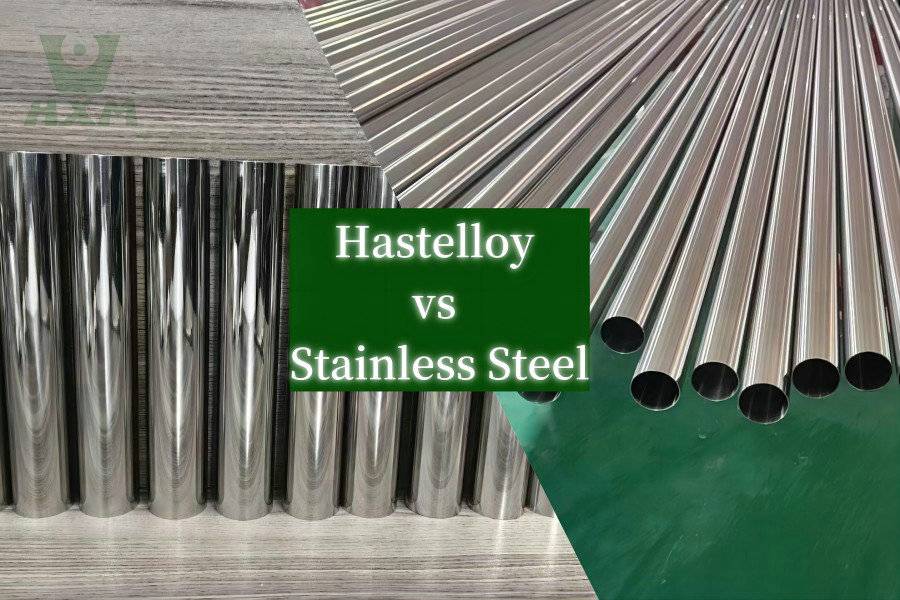
Hastelloy vs Stainless Steel: Hastelloy and stainless steel are two of the most commonly used materials in the fields of engineering and manufacturing, each offering distinct characteristics and benefits for a variety of applications. This article provides a comprehensive comparison between Hastelloy alloys and stainless steel, highlighting their chemical compositions, mechanical properties, applications, common forms, and differences in appearance.
Inconel Sheet Plate
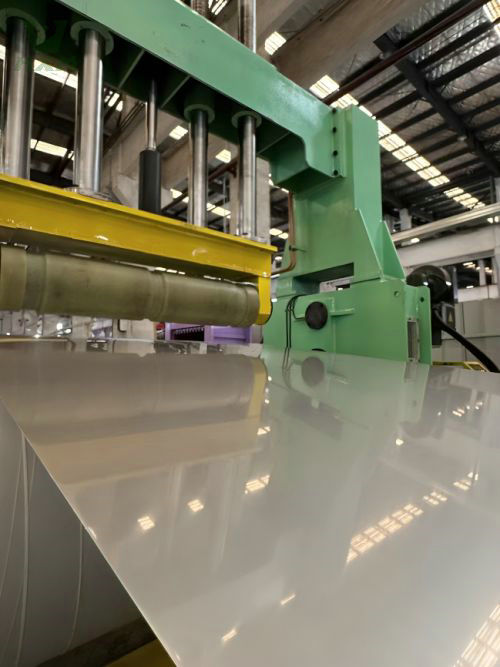
Inconel sheet is a high-performance nickel-chromium alloy known for its exceptional resistance to oxidation and corrosion. It maintains its mechanical properties at elevated temperatures, making it crucial for aerospace, chemical processing, and marine applications. This material is frequently used in heat exchangers, gas turbines, and reactor cores due to its high tensile strength, durability, and ability to perform reliably in extreme conditions.