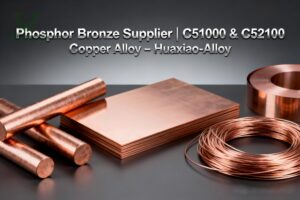
Pure Copper vs Copper Alloy

Pure Copper vs Copper Alloy

When buyers search for “pure copper vs copper alloy”, they are usually trying to answer one critical question:

Which copper material is better for my application — pure copper or a copper alloy?

Although both materials are based on copper, they differ significantly in composition, mechanical properties, conductivity, corrosion resistance, cost, and typical applications.

Understanding these differences is essential for:

  • Engineers selecting materials

  • Buyers sourcing copper products

  • Manufacturers optimizing performance and cost

As a professional copper material supplier, Huaxiao-Alloy provides both high-purity copper and a wide range of copper alloys, helping customers choose the most suitable solution.

2. What Is Pure Copper? - Pure Copper vs Copper Alloy

2.1 Definition of Pure Copper

Pure copper refers to copper with a minimum copper content of 99.9%, with only trace amounts of other elements.

Common pure copper grades include:

  • C11000 (ETP Copper)

  • C10200 (Oxygen-Free Copper, OFC)

  • C10100 (Oxygen-Free Electronic Copper, OFE)

These grades are widely used where maximum electrical and thermal conductivity is required.

2.2 Key Characteristics of Pure Copper

  • Extremely high electrical conductivity

  • Excellent thermal conductivity

  • Outstanding ductility and softness

  • Easy to form, bend, and machine

  • Natural corrosion resistance in atmospheric environments

👉 This is why many buyers asking “is copper a soft metal?” are actually referring to pure copper.

3. What Is a Copper Alloy? - Pure Copper vs Copper Alloy

3.1 Definition of Copper Alloy

A copper alloy is copper that has been intentionally alloyed with other elements such as:

  • Zinc (Brass)

  • Tin (Bronze)

  • Nickel (Cu-Ni alloys)

  • Aluminum (Aluminum Bronze)

  • Silicon (Silicon Bronze)

These alloying elements are added to improve strength, hardness, corrosion resistance, wear resistance, or specific mechanical properties.

3.2 Common Copper Alloy Families

Copper Alloy TypeMain Alloying ElementTypical Examples
BrassZinc (Zn)C26000, C36000
BronzeTin (Sn)C51000, C52100
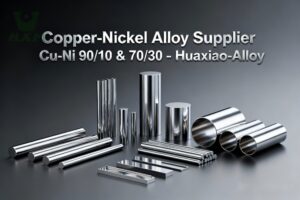
Cu-Ni AlloyNickel (Ni)C70600, C71500
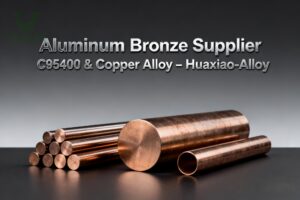
Aluminum BronzeAluminum (Al)C95400
Silicon BronzeSilicon (Si)C65500

4. Chemical Composition Comparison - Pure Copper vs Copper Alloy

Material TypeCopper ContentAlloying Elements
Pure Copper≥ 99.9%Trace only
Copper Alloy55% – 99%Zn, Sn, Ni, Al, Si, etc.

➡️ Higher purity = better conductivity
➡️ More alloying = better mechanical performance

5. Mechanical Properties: Pure Copper vs Copper Alloy

5.1 Strength & Hardness

PropertyPure CopperCopper Alloy
Tensile StrengthLowMedium to High
HardnessSoftMedium to Very Hard
Wear ResistanceLowHigh
Load-Bearing AbilityPoorExcellent

Pure copper is soft and ductile, while copper alloys are designed to handle higher mechanical stress.

5.2 Formability & Machinability

  • Pure copper: Excellent formability, easy to bend and roll

  • Copper alloys: Varies by alloy, some grades optimized for machining

6. Electrical & Thermal Conductivity Comparison

PropertyPure CopperCopper Alloy
Electrical Conductivity~100% IACS15–60% IACS
Thermal ConductivityExcellentModerate to Good

➡️ If conductivity is critical, pure copper is almost always the better choice.

7. Corrosion Resistance Comparison

7.1 Pure Copper

  • Good resistance to atmospheric corrosion

  • Forms a protective oxide layer

  • Not ideal for seawater or aggressive chemicals

7.2 Copper Alloys

  • Many alloys offer superior corrosion resistance

  • Cu-Ni alloys perform excellently in seawater

  • Aluminum bronze resists erosion and cavitation

➡️ For marine, chemical, or industrial environments, copper alloys often outperform pure copper.

8. Cost Comparison: Which Is More Expensive?

FactorPure CopperCopper Alloy
Raw Material CostHighMedium to High
Processing CostLowerHigher
Overall CostDepends on purityDepends on alloy
  • High-purity copper prices closely follow LME copper prices

  • Copper alloy prices depend on alloying elements and processing complexity

9. Typical Applications of Pure Copper

Pure copper is widely used in:

  • Electrical wiring & cables

  • Busbars & power distribution

  • Transformers & generators

  • Heat exchangers

  • Electronics & PCBs

👉 Buyers searching “buy pure copper” or “where to buy pure copper” usually need conductivity-driven materials.

10. Typical Applications of Copper Alloys

Copper alloys are commonly used in:

  • Mechanical components

  • Valves & fittings

  • Marine hardware

  • Bearings & bushings

  • Architectural hardware

  • Automotive & industrial parts

👉 Copper alloys are chosen when strength and durability matter more than conductivity.

11. Which Should You Choose: Pure Copper or Copper Alloy?

Choose Pure Copper if you need:

  • Maximum electrical conductivity

  • Excellent thermal transfer

  • Soft, highly formable material

  • Electrical or electronic applications

Choose Copper Alloy if you need:

  • Higher strength and hardness

  • Better wear resistance

  • Improved corrosion resistance

  • Structural or mechanical performance

12. Buying Guide: How to Select the Right Copper Material

Before purchasing copper, consider:

  1. Application environment

  2. Required conductivity

  3. Mechanical load

  4. Corrosion exposure

  5. Budget constraints

  6. Product form (sheet, bar, wire, tube)

As an experienced supplier, Huaxiao-Alloy helps customers avoid over-specifying or under-specifying materials.

13. Pure Copper vs Copper Alloy — Quick Comparison Table

FeaturePure CopperCopper Alloy
Copper Content≥ 99.9%Lower
ConductivityExcellentReduced
StrengthLowHigh
Corrosion ResistanceGoodVery Good–Excellent
Cost StabilityLME-drivenAlloy-dependent
Typical UseElectricalStructural & mechanical

14. Why Buy Copper Materials from Huaxiao-Alloy?

  • Full range of pure copper & copper alloys

  • Sheets, plates, bars, rods, wire, tubes & ingots

  • Bulk and custom orders

  • Stable quality & certifications

  • Global shipping & export support

  • Competitive pricing

📩 Email: [email protected]
📱 WhatsApp: +1 (579) 300-2733

Not always. Pure copper is better for conductivity, while copper alloys are better for strength and durability.

Yes. Copper alloys are primarily copper with added elements.

In harsh environments, copper alloys usually last longer.

Yes. Huaxiao-Alloy supplies both pure copper and copper alloys.

Pure Copper vs Copper Alloy

Call Us Now!!!

7*24 Customer Service

Tel:

+86 21-57425826

+86 13012867759

Whatsapp:

+1 (579) 300-2733

Address

557RM, 3#LOU 1388#, JIANG YUE ROAD, Minhang District, Shanghai,  201114, SHANGHAI,  China

GET AN ENQUIRY NOW!!!